
American Riviera Bank was proud to sponsor and attend the Radius Real Estate & Economic Forecast at the Hilton Beachfront Resort on March 12. As a community bank, we are deeply invested in the economic health of the Central Coast. Understanding the forces shaping our local real estate market, from housing supply and leasing trends to policy shifts, directly informs how we serve our clients, whether they are purchasing a property, growing a business, or financing a commercial project. We believe that an informed community makes stronger financial decisions, and events like this bring together the expertise and data that fuels growth. Below is a summary of each speakers’ perspective.
Gene Deering kicked off the Radius Economic Forecast by giving an overview of the South Coast leasing market, sharing notable transactions, UCSB’s impact, and the slow transformation of State Street.
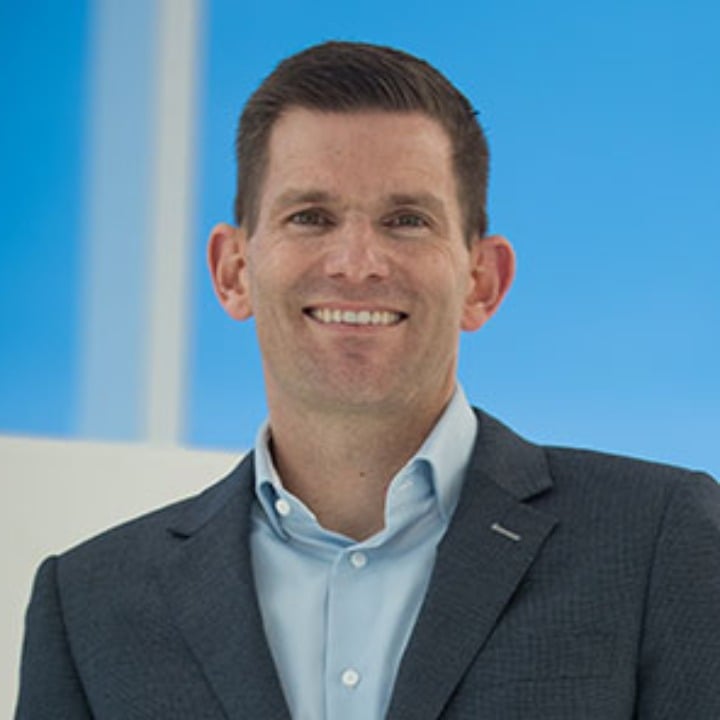
The arrival of UCSB’s Oasis, a lab incubator concept new to Goleta, represents a meaningful shift in the local commercial landscape. The model allows companies to rent lab facilities on a flexible basis, with the goal of helping early-stage businesses launch and grow. Mr. Deering noted that landlords finding the most success right now are those willing to accommodate tenant needs upfront. He pointed to a deal as an example: the tenant paid a premium rate, the landlord invested in a custom buildout, and both parties benefited. That kind of collaborative dynamic is increasingly the differentiator in a competitive market.
One of the more compelling leasing stories in downtown Santa Barbara was 820 State Street, where 48,000 square feet was fully absorbed, anchored by a new fitness center that is now drawing foot traffic directly onto State Street. Mr. Deering sees this as a model for how tenants can revitalize the corridor.
Addressing State Street's future, Mr. Deering believes pedestrians want the street open to traffic again and suggested a one-way traffic configuration with dedicated parking and bike lanes as a practical path forward.
UCSB’s investment in projects outside its campus footprint are creating exciting opportunities and energy in the region. In addition to Oasis, UCSB recently acquired the former Staples space on lower State, continuing the university's downtown expansion. Another notable change to lower State Street is the return of a Habitat for Humanity ReStore location, which used to be in Goleta until closing in 2020.
Mr. Deering believes housing will eventually come to Paseo Nuevo, though progress is slow. The leasing market is bifurcating sharply between well-located, well-maintained spaces and everything else and the landlords investing in their product and their tenants are the ones winning deals.
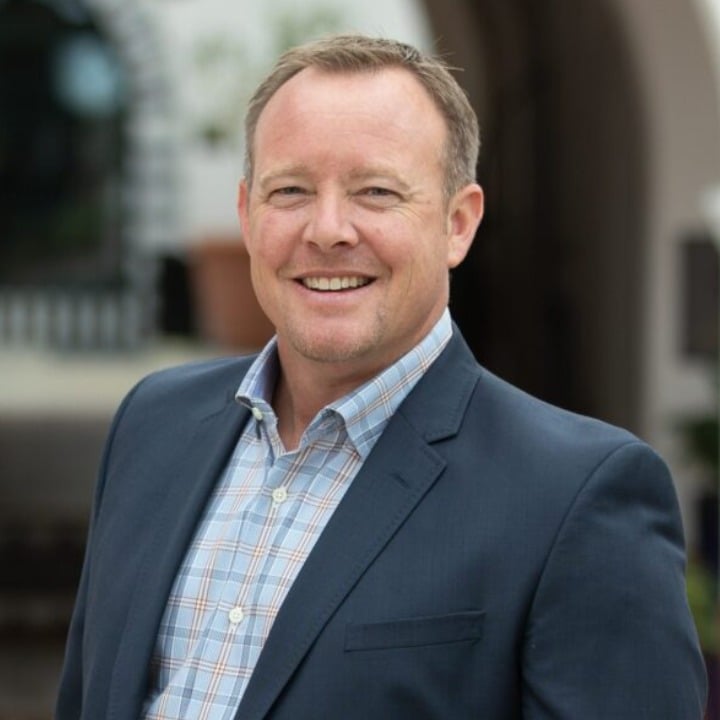
Brad opened with an overview of the current economic landscape, expressing cautious optimism: banks are lending, liquidity has improved, and interest rates have eased somewhat. While the recovery remains gradual, key metrics such as vacancy rates are holding at respectable levels. Investment deals, which typically represent about 35% of Radius' annual transactions, dropped to roughly 20%. Total commercial sales for the year came in at $255 million, reflecting the ongoing conditions of elevated interest rates and market uncertainty.
Despite a slow start to the year, sales are promising. Most notably, a $235 million off-market record setting sale in Goleta, comprised of 17 buildings recently transacted. Interestingly, while industrial remains the favored asset class, this portfolio was comprised primarily of office space, with some R&D and industrial components.
The nonprofit sector was notably active:
Hospitality sales continued to perform well, with several notable transactions:
Adaptive reuse continues to generate creative momentum in the local market, with buyers reimagining underperforming properties for their highest and best use:
Mr. Frohling expressed concern about local policies affecting development feasibility. Construction costs remain a significant barrier, and recent policy decisions, including the latest rent freeze and an increase in the transfer tax, are discouraging new housing and investment. He emphasized that responsible development drives household income and community prosperity, calling for a more growth-oriented policy environment.
Radius expects investment activity to increase, though buyers will remain selective, prioritizing stronger returns and taking a measured approach. Pricing has largely stabilized with modest gains anticipated, though the trajectory will depend significantly on interest rate movement, and the team is hopeful for meaningful reductions ahead.
Mr. Golis opened with context on why multifamily remains relevant in Santa Barbara and Ventura County: with 20% down on a median home, monthly payments run roughly $8,600 compared to $2,500–$4,300 to rent. That math keeps rental demand strong.
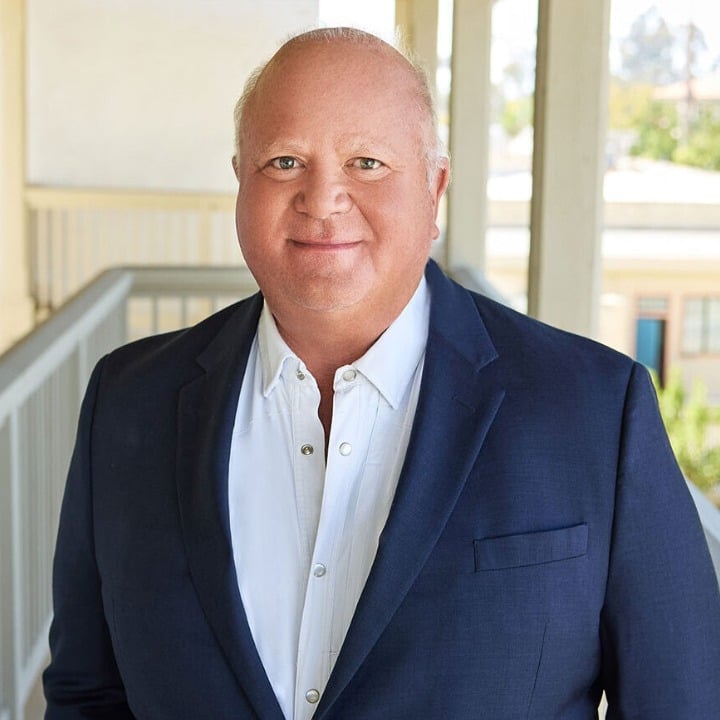
Construction activity is minimal. There are 95 units currently under construction in South County, with just 35 units delivered in 2025 across two buildings in Santa Barbara. By contrast, the City of Santa Maria has 444 units under construction. Deal volume is down significantly year-over-year across most submarkets, with Santa Barbara South County down 34% and San Luis Obispo County down almost 50%.
As with Mr. Frohling, Mr. Golis discussed policy impacts on the industry. He noted that not only does it take 30–40% longer to get permits in recent years, but he also expressed strong concern about rent freeze and what he called the unintended consequences of local housing policy. Specifically, deferred maintenance is now a widespread issue where he believes landlords are not investing in improvements when they cannot recoup costs. Anecdotally, he noted that he personally knows three contractors currently contemplating bankruptcy due to the sharp drop in renovation work.
He also highlighted a shift in the landlord-tenant relationship, describing how the adversarial policy environment has eroded what was once a more collaborative dynamic between small property owners and their residents.
From a pricing standpoint, Radius is now applying higher cap rates to City of Santa Barbara properties relative to Goleta, Carpinteria, Summerland, and other nearby markets — a direct reflection of regulatory risk being priced in by investors.
The rent freeze has created a pause in City of Santa Barbara activity, and its outcome remains uncertain. Institutional capital is increasingly driving activity, and we are losing smaller mom-and-pop owners. Insurance costs are up 108% adding further pressure to operating expenses. Despite these challenges, Mr. Golis remains engaged and encouraged by pockets of opportunity, particularly in markets outside Santa Barbara city limits.
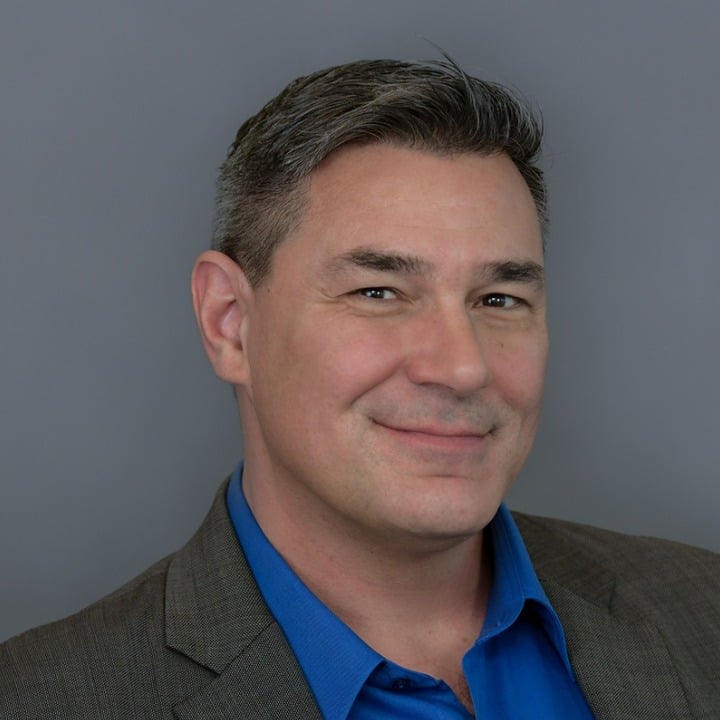
Dr. Thornberg opened his keynote speech by emphasizing the importance of understanding the realities of the national economy by listening to the data rather than the narrative. While headlines tend toward the dramatic, the underlying numbers tell a more measured story. Consumer spending is picking up speed, and household and business balance sheets remain strong. He noted that restaurant sales are up 5%, auto sales are at about 16 million units, and airports are busy, all ushered by record income and net worth. While there was slightly less growth, the economy continued to show strength in 2025.
Inflation has cooled to just under 3%, driven primarily by insurance and healthcare costs rather than the food prices dominating public conversation. He believes the Fed will cut rates possibly twice at the end of the year. He also believes that the Fed is no longer constricting the money supply leading to lower interest rates and more access to capital. Overall, he sees real estate transactions picking up nationally.
For the Central Coast’s housing specifically, he pointed to supply constraints as the root cause of affordability challenges. Policies that reduce housing market liquidity or discourage new construction, he argued, tend to work against the very outcomes communities are trying to achieve. The path forward, in his view, lies in removing barriers to development and allowing the market to respond to the genuine and sustained demand to live and work on the Central Coast.
Looking ahead, the structural shift in labor supply driven by demographic changes and shifts in immigration patterns bears watching as a long-term economic variable. On AI, Dr. Thornberg offered a grounded perspective: transformative technologies have always reshaped the workforce over time, and this moment is likely no different.
The recent Radius Group Real Estate & Economic Forecast provided a compelling analysis of the current economic landscape, challenging prevailing narratives with supporting data.
As a trusted financial partner, American Riviera Bank stands ready to support local businesses and individuals with your real estate endeavors. Whether your focus is on commercial real estate opportunities or other loan products, our team of banking experts is available to provide personalized guidance and innovative financial solutions.
To discuss how American Riviera Bank can facilitate your real estate investment goals, reach out to start the conversation.
Member FDIC | NMLSR #808293
